

EMDR Therapy in Fort McMurray
Eye Movement Desensitization and Reprocessing for trauma and PTSD.
Three EMDR-trained therapists · In-person and virtual · No referral needed
What Is EMDR?
EMDR stands for Eye Movement Desensitization and Reprocessing. It's one of the most widely used and well-researched therapies for trauma and PTSD, developed in the late 1980s and now used by clinicians around the world.
The idea behind it is that some memories don't get processed properly at the time. Instead of settling into the past, they stay raw, so a sound, a smell, or a passing thought can bring back the same fear, tension, or helplessness you felt then. EMDR uses guided eye movements while you hold that memory in mind, which appears to help the brain finish processing it. The memory remains, but it stops carrying the same charge.
What EMDR Can Help With
EMDR was developed for trauma and PTSD, and that remains its main use. Our therapists use it with children, teens and adults for:
Post-traumatic stress and PTSD
Motor vehicle, workplace and industrial accidents
The 2016 wildfire, the evacuation and its aftermath
Sudden or traumatic loss
Physical, emotional or sexual violence
Medical trauma and difficult births
Childhood experiences that still affect adult life
Specific fears and phobias
Distressing memories that intrude on daily life
You don't need a PTSD diagnosis to benefit from EMDR, and you don't need a referral to book.
How EMDR Works, Step by Step
EMDR follows a structured, phased protocol. It doesn't begin with the hardest memory, and your therapist won't rush you there.
1. History and planning
Your therapist learns your history and what you'd like to work on, then plans which memories to target and in what order.
2. Preparation
Before any memory work begins, you'll build coping and grounding skills you can use during and between sessions. This phase can take several sessions, and it's what makes the rest of the work safe.
3. Assessment
You and your therapist identify the specific image, belief, and physical sensation connected to the memory you're working on so you can track progress.
4. Desensitization
While you hold the memory in mind, your therapist guides sets of eye movements, pausing between sets to check in on what came up. This continues until the memory feels significantly less intense.
5. Installation
The work shifts toward strengthening a more accurate, helpful belief about yourself in relation to the memory.
6. Body scan
Trauma lives in the body as well as the mind. Your therapist checks for remaining physical tension linked to the memory and works with it.
7. Closure and re-evaluation
Every session ends with you settled and grounded, never mid-processing. At the next session, your therapist reviews what's shifted before moving on.
What a Session
Is Actually Like
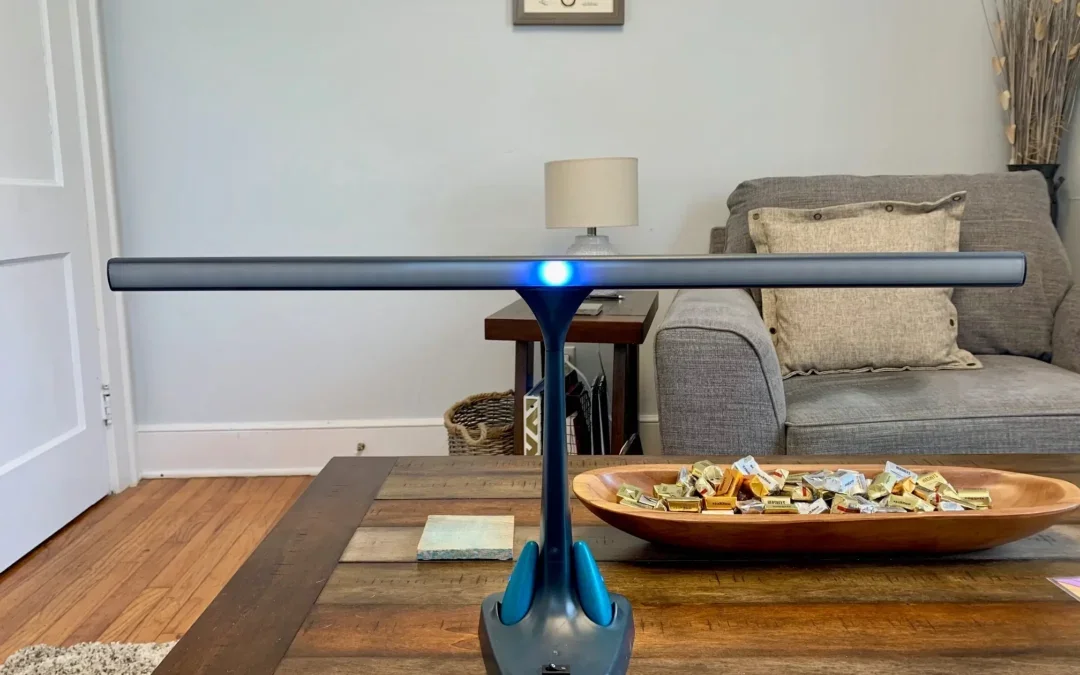
People often expect something dramatic. In practice, an EMDR session is quiet. You sit in a chair, your therapist sits opposite, and you follow their hand, a light bar, or another cue with your eyes while you think about the memory. Sometimes tapping or sounds are used instead of eye movements.
You stay awake, aware and in control throughout. EMDR isn't hypnosis, and you can stop at any point. Between sets, your therapist will ask what you noticed, and you share as much or as little as you want.
Some people feel tired or emotionally tender after a session, which usually settles within a day or two. Your therapist will make sure you leave grounded and have strategies to use in between.
EMDR or ART? How to Choose
Paragraph:
Stillwater offers both EMDR and Accelerated Resolution Therapy (ART). Both use guided eye movements, and both treat trauma, but they work differently.
EMDR has the larger research base and is the more widely known of the two. It follows a phased protocol with significant preparation before memory work begins, and typically unfolds over a series of sessions
ART follows a tighter, more directive protocol, works with images and sensations rather than discussion, and is designed to be brief. Some people prefer that it doesn't require describing the memory out loud.
You don't need to decide before you book. Your therapist will talk through which approach suits your history, your comfort level and your goals, and some clients use both at different stages.
Learn about ART → · See all trauma & PTSD therapy →

EMDR in
Fort McMurray
Appointments are available seven days a week, between 8 AM and 8 PM, depending on each therapist's schedule. Sessions can be in person at our Fort McMurray office or virtual. EMDR can be delivered effectively online, which means you can continue treatment through a rotation or from out of town. Your therapist will discuss whether virtual sessions suit your situation.
Stillwater Therapy
#306, 108 Riverstone Ridge
Fort McMurray, AB T9K 1S6
We're on the third floor, above Gym Nation.
Free underground parking is available, and an elevator takes you right to our floor.
Fees & Insurance
Many extended health benefit plans cover services provided by a Registered Psychologist. We bill your insurance directly when your plan allows.
Before booking, we recommend checking your extended health benefits to confirm your coverage for psychological assessment services and whether any annual or per-service limits apply.
For current ADHD assessment fees and availability, please call Stillwater Therapy at (780) 713-8197.
Frequently asked questions
-
EMDR is one of the most extensively studied trauma therapies and is recommended in clinical guidelines internationally. As with any therapy, results vary from person to person, and your therapist will review progress with you as you go.
-
It depends on your history and goals. EMDR includes a preparation phase before memory work begins, so it's usually a course of sessions rather than a one-off. Your therapist will give you a clearer sense after the first few.
-
Less than people expect. EMDR involves holding the memory in mind rather than narrating it. You share what you notice between sets, and you choose how much to say.
-
No. You remain fully awake, aware and in control throughout, and you can stop at any time.
-
Yes, we can deliver EMDR online, and we offer virtual sessions. Your therapist will discuss whether that's a good fit for you.
-
Yes. Our therapists work with children, teens and adults, adapting the approach to the client's age and stage.
-
Both use guided eye movements. EMDR is better known, has a larger research base, and follows a phased protocol. ART uses a tighter protocol and is designed to be brief. We offer both. See the comparison above.